

🌫️What Is the “Haze” That Covers the Malaysian Sky?
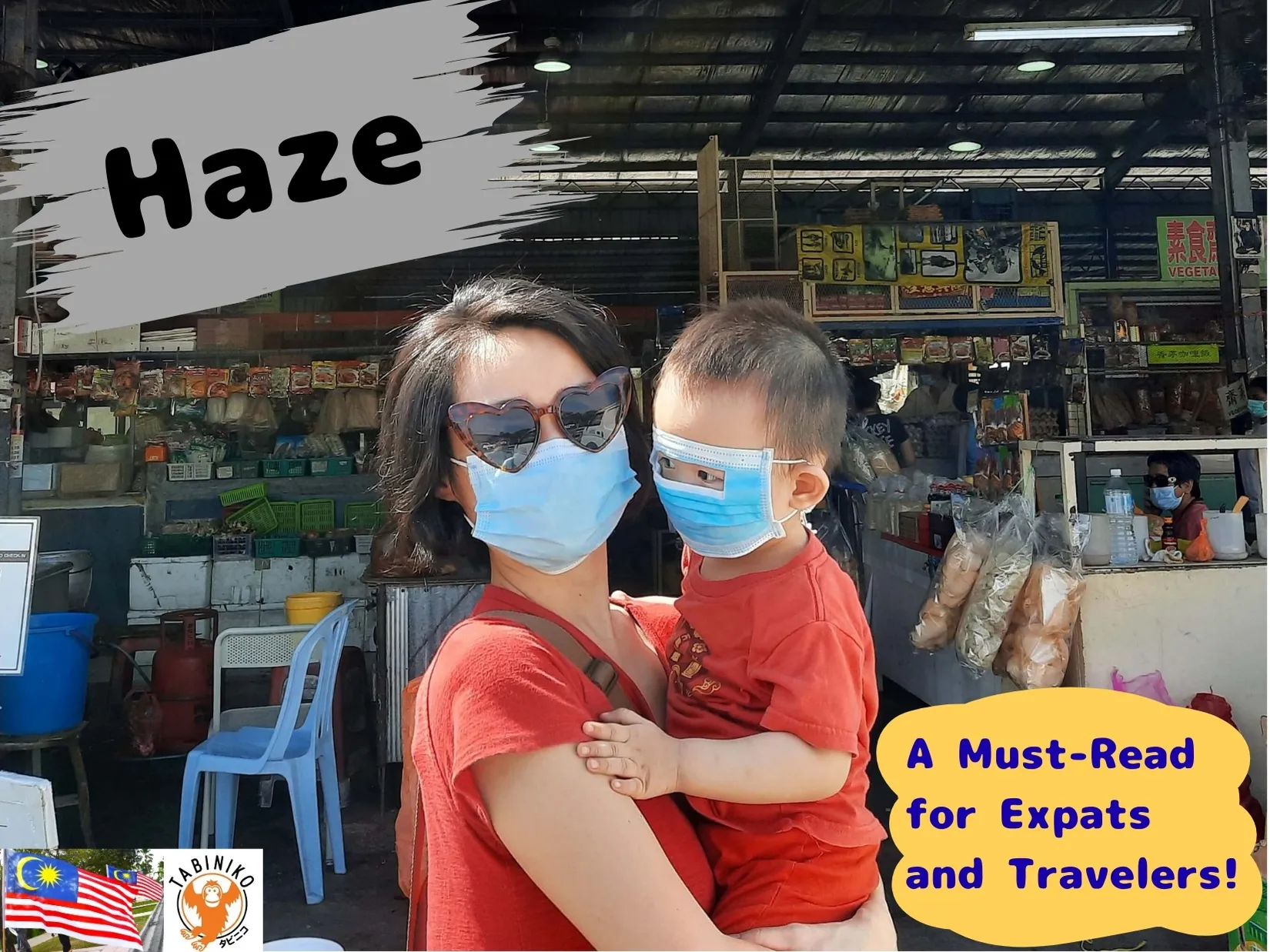
What is the “Haze” Problem Covering Malaysia?
~ Causes, Health Effects, Government Response, and ASEAN Regional Efforts ~
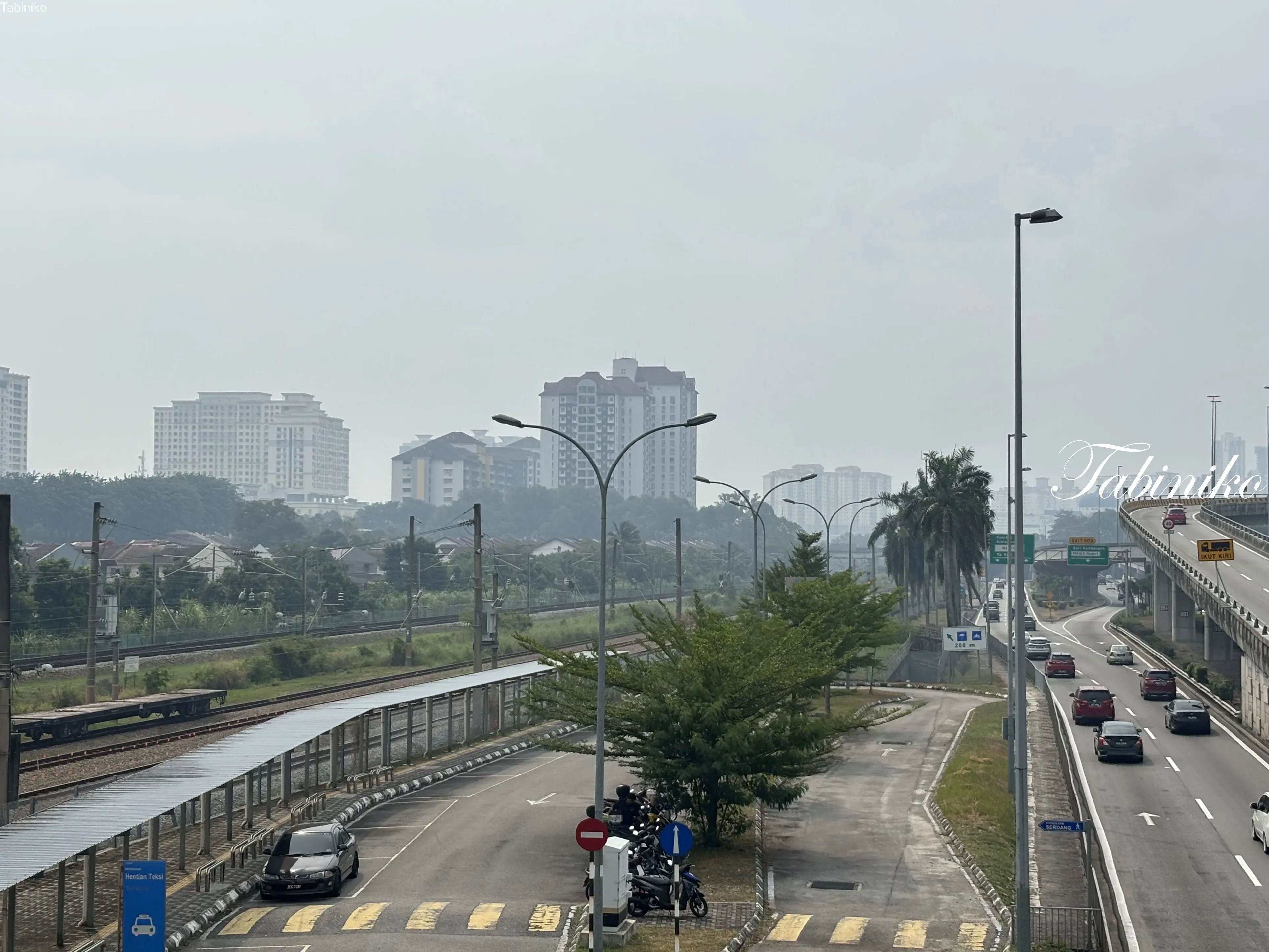
Every year, a thick smog known as “haze” spreads across the skies of Southeast Asia. The visibility becomes poor — distant buildings that are usually visible become shrouded in haze, making the air pollution visually obvious. In Malaysia, this smoky haze during the dry season significantly impacts both health and daily life.
In July 2025, the haze has become visibly severe. From my personal memory and experience, it feels like this year has brought the worst haze in Kuala Lumpur since the COVID-19 pandemic began.
In this article, I explore the causes of haze and its impact on health, as well as Malaysia’s response to the issue.
🌳 What Causes the Haze?
The main causes are forest fires and slash-and-burn agricultural practices in Indonesia, especially on Sumatra and Kalimantan islands. Smoke from these fires is carried by monsoon winds to Malaysia, Singapore, and Thailand. During the dry season (June to October), minimal rainfall allows the haze to linger, worsening air pollution.
🏥 Health Effects and How to Protect Yourself
Haze not only reduces visibility but also increases respiratory health risks. Personally, I’ve experienced frequent coughing and a runny nose in July this year, though it’s hard to say definitively if haze is the cause. However, the Air Pollution Index (API) has clearly risen, indicating unhealthy air quality.
People most at risk:
Young children
The elderly
People with asthma or allergies
Outdoor workers Common symptoms:
Sore or itchy throat, coughing, itchy eyes
Breathing difficulty or worsened asthma
Fatigue, headaches, lack of concentration Precautions:
Avoid going outside, especially in the morning and evening
Wear an N95 mask
Use an air purifier and keep windows closed
Stay hydrated
Follow medical advice
📊 Air Pollution Index (API) in Malaysia – How to Check
In Malaysia, the Air Pollutant Index (API) allows real-time monitoring of air quality.
API Scale and Meaning
0–50: Good – Safe
51–100: Moderate – No problem for healthy individuals
101–200: Unhealthy – May affect sensitive groups
201–300: Very Unhealthy – Likely to affect many people
301 and above: Hazardous – Emergency actions needed
How to check:Website: https://eqms.doe.gov.my/APIMS/main
App: MyJAS EQMS (Available on Google Play / App Store)
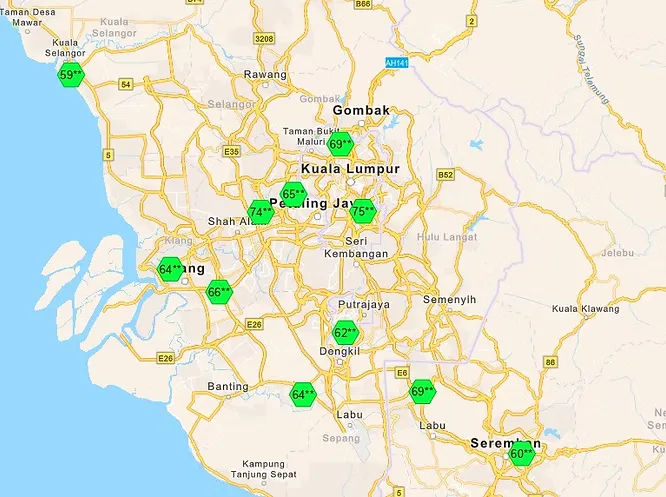
Screenshot from MyEQMS (Official Website of the Malaysian Government)
🌧️ Malaysian Government Measures
In July 2025, the government activated the National Haze Action Plan and the National Open Burning Action Plan.
Key measures:
- Patrols and enforcement in fire-prone “hotspot” areas
- Immediate closure of schools and childcare centers when API exceeds 200
- Cloud seeding if API stays above 150 for over 24 hours
- Illegal open burning: Up to RM1 million fine or 5 years’ imprisonment ☁️ Is Cloud Seeding Really Being Done?
✅ Yes, it is**.**
In July 2025, cloud seeding was carried out in several areas.
Due to worsening air pollution—especially haze—Malaysia has conducted cloud seeding multiple times in the past. A recent report from July 2025 clearly stated: “If the API exceeds 150 for more than 24 hours and weather and cloud conditions are suitable, cloud seeding will be carried out,”said the Director General of the Department of Environment.
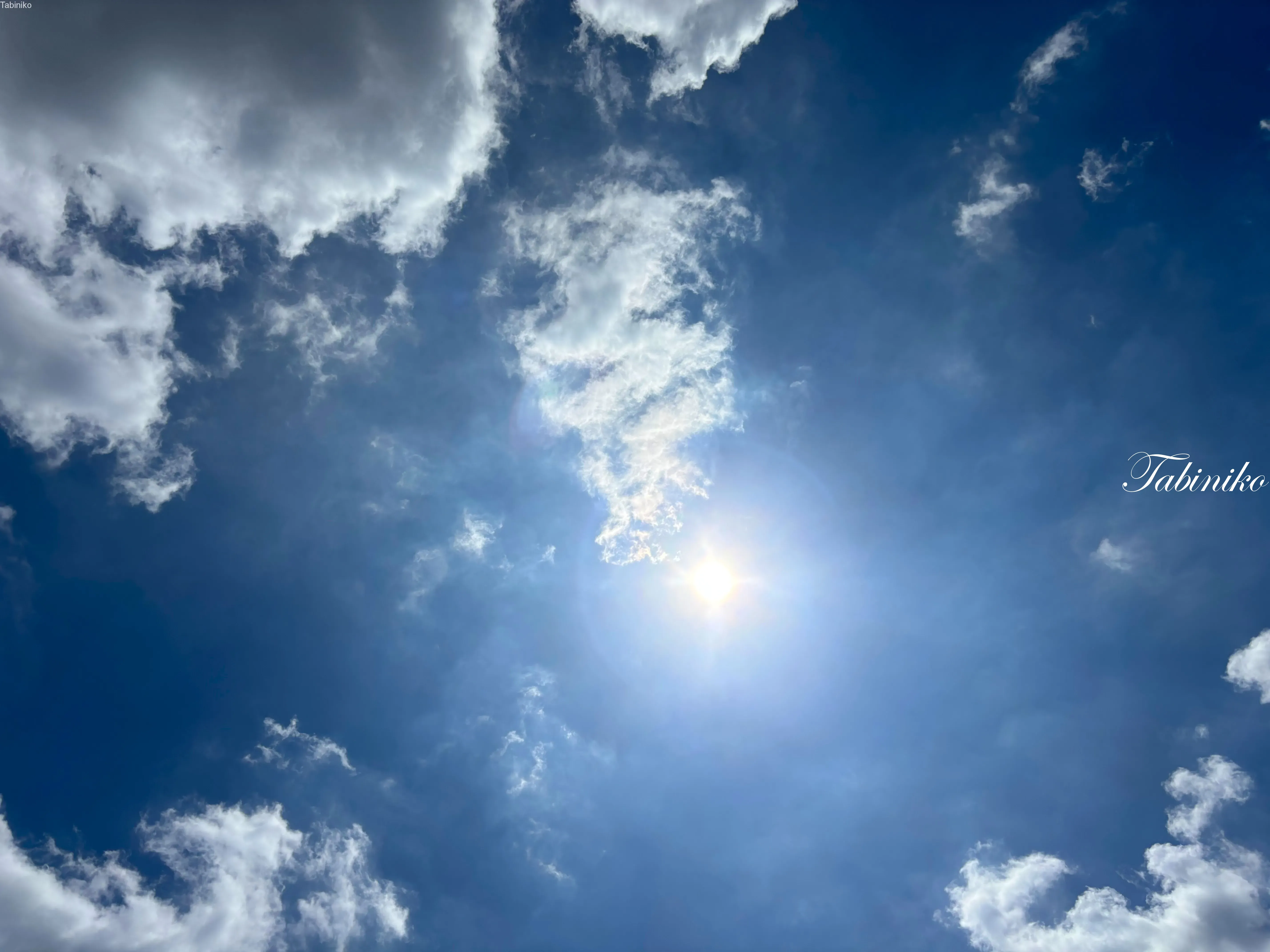
🛩️ How Is Cloud Seeding Done?
In Malaysia, cloud seeding is typically conducted as follows:
Aircraft release substances like sodium chloride (table salt) into clouds
It can only be done when suitable cumulonimbus (developed) clouds are present
Operations are jointly carried out by MetMalaysia, the Ministry of Defence, and the Ministry of Environment ⚠️ Challenges and Limitations:
Cannot be performed if there are no clouds or if clouds are underdeveloped
Weather conditions are critical for success
Effects are temporary and do not solve the root problem 📚 Sources
MyEQMS https://eqms.doe.gov.my/APIMS/mainNew Straits Times-”Transboundary haze: School closures, cloud seeding part of action plan”( July 25, 2025)
New Straits Times-”Transboundary haze returns, choking Klang Valley with unhealthy air" (July 21, 2025)