


Malaysia's Vegetable Shops
Hi there! It’s Aoyao Obasan 👵🏻 The haze has been really bad lately… I actually had a sore throat for a while too. I try to stay indoors as much as possible, but when I do go out, I wear three layers of masks, take herbal medicine, and do everything I can to protect myself from the haze. Please take care of yourselves and stay healthy!
Today, I’ll introduce you to a local wet market where locals like to shop.
Of course, Malaysians do their shopping at supermarkets, but many also frequent these small, independently owned stores. You’ll often find that buying vegetables here is cheaper and you get more quantity compared to supermarkets.

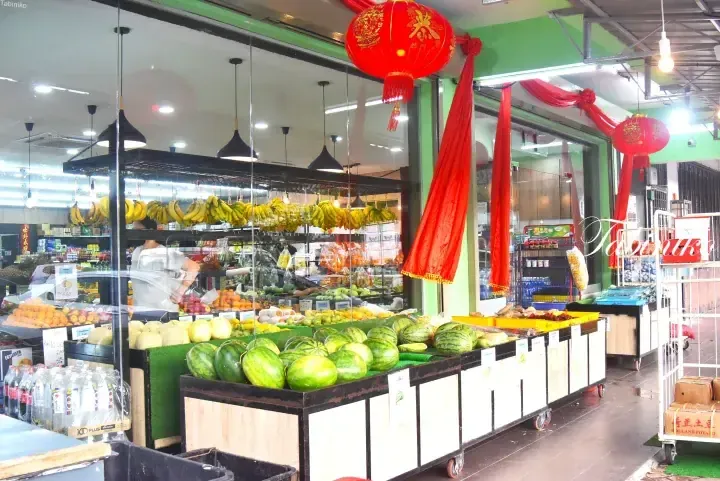
Since this greengrocer is run by Chinese-Malaysians, the entrance is adorned with traditional Chinese decorations.
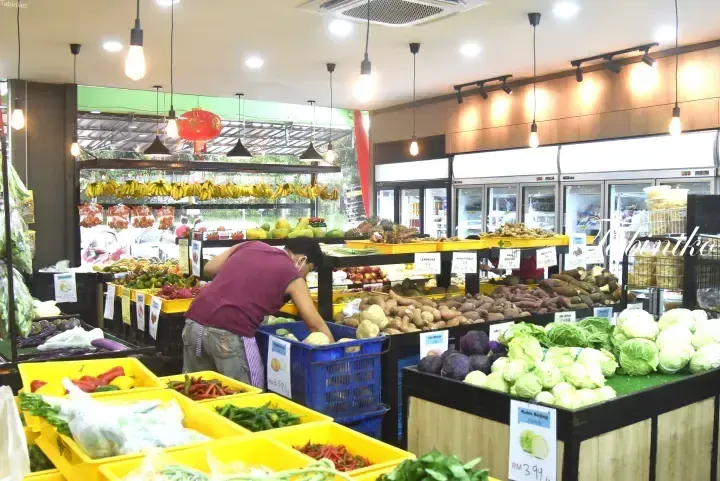
Vegetables and fruits are typically sold by weight: you pick out the items you want, place them in a bag, and then have them weighed at the checkout.
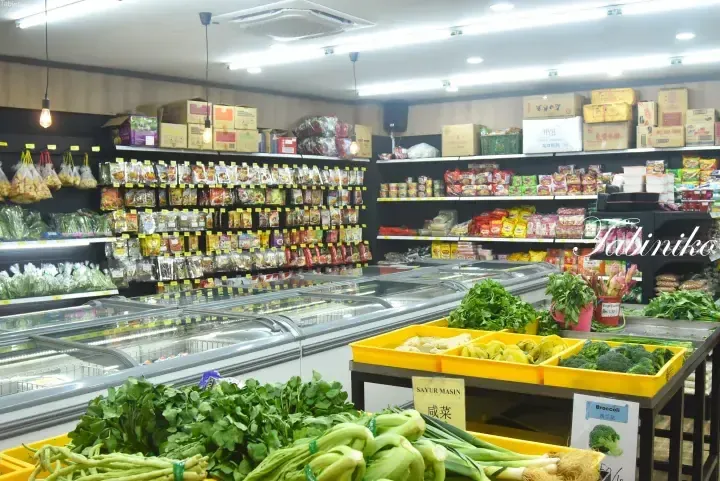
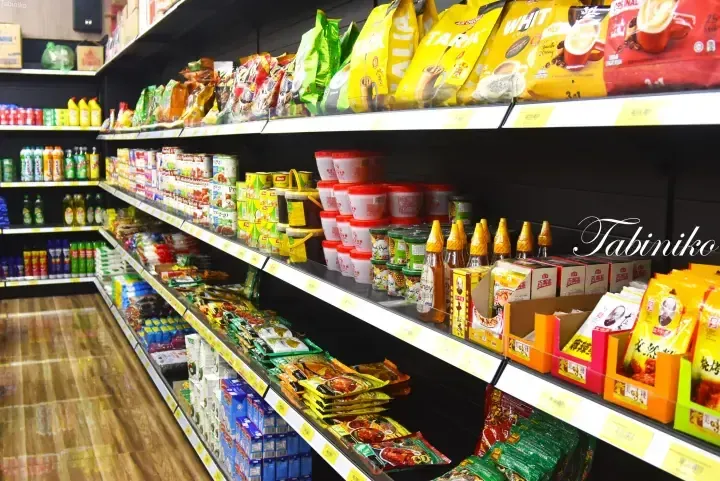
Since the owner is of Chinese descent, the shop stocks ingredients commonly used by Chinese households, such as seasonings, traditional Chinese herbal medicines, and dried noodles.
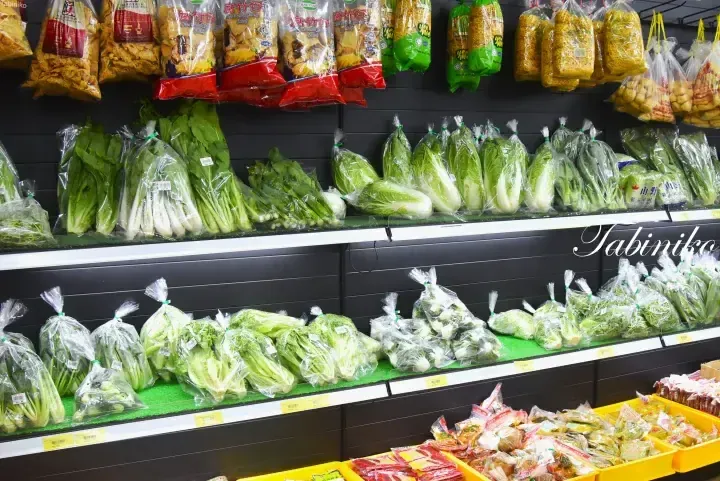
The leafy greens section. I always buy moringa here. You get about three times the quantity for the same price as in supermarkets, and the taste and thickness of the leaves are superior—moringa from here is just the most delicious. 😋 One bag is RM3.
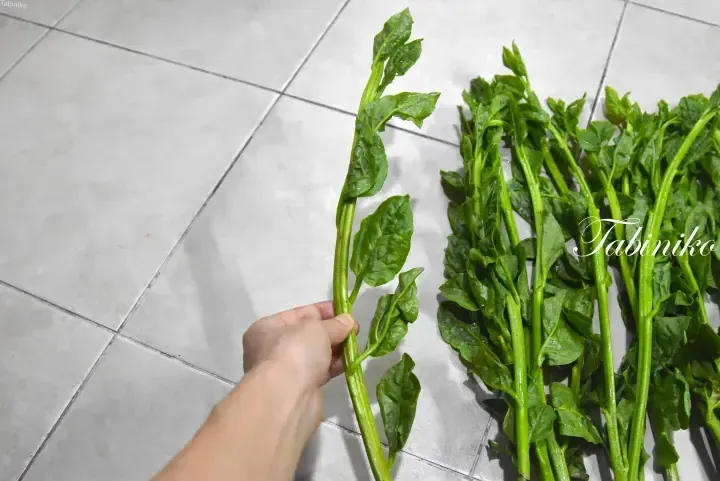
When stir-fried, it becomes slimy, and I think Malaysia’s moringa has a better crunch and tastes better than Japan’s! The thick leaves are truly delicious.
How to Make Stir-Fried Molokhia
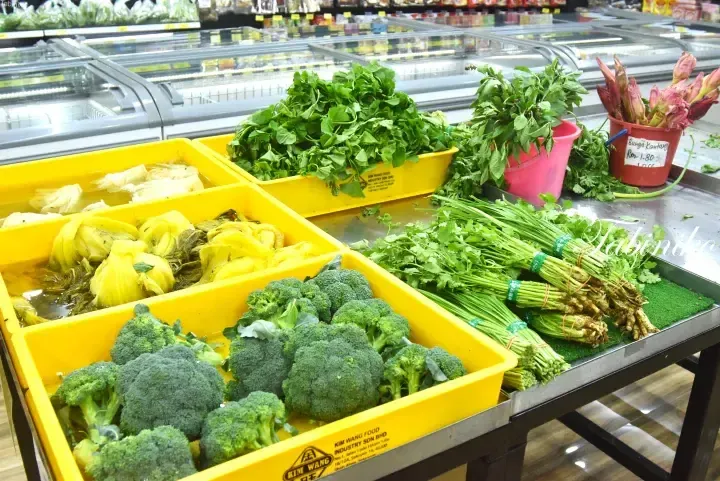
The broccoli is imported from China and costs around RM3.5 per bunch. The one on the right is cilantro, priced at RM2 per bunch. While prices in Malaysia are rising overall, I feel that vegetable prices haven’t changed much compared to when I first moved here in 2015.
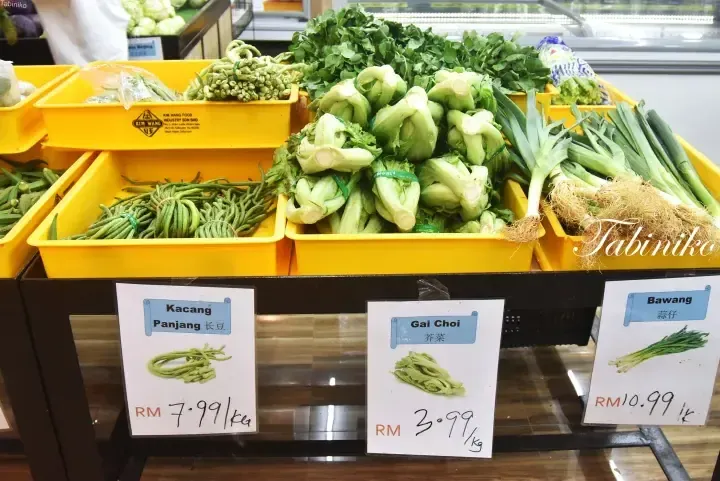
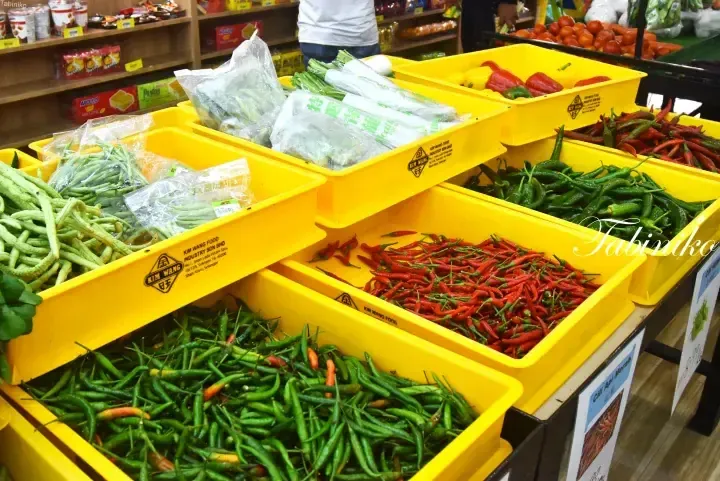
Malaysians are huge fans of chili! You can find red, green, and blue chilies in various sizes—there are four types of chili sold right there. I’ve never tried them, but since my husband loves them so much, I’ll grab some for him (lol).
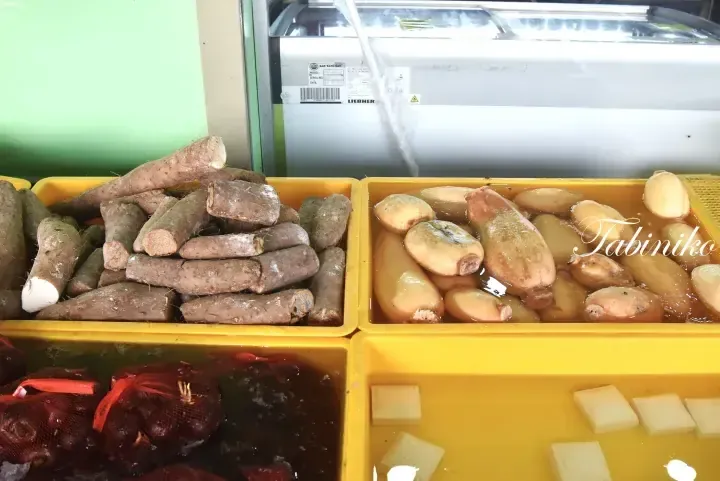
They also sell mountain yams and lotus roots.
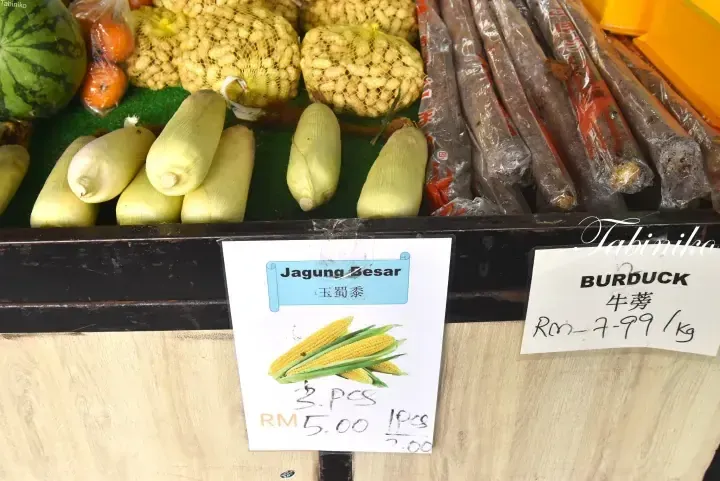
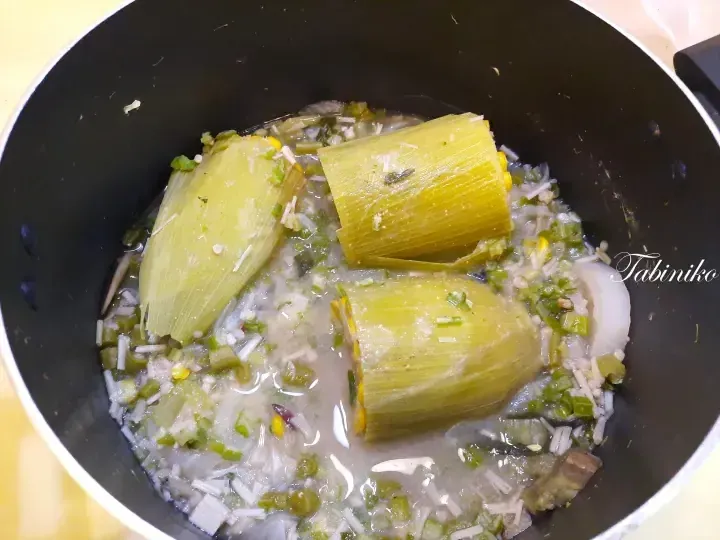
There weren’t many corn stalls around that day, but I managed to grab three ears for just RM5. Individually, they’re sold for RM2 each. It’s incredibly cheap!!! And Malaysian fresh corn is so sweet and delicious. Whenever I see fresh corn available, I buy six ears and add them to my dinner miso soup every single day. My trusted traditional Chinese medicine practitioner once recommended that people with cancer drink soup made by boiling corn with the husk on, so I figured it might also help with prevention. I now cut the corn into thirds (husk included) and simmer it to make miso soup. Here’s our family’s miso soup↓ It doesn’t look very pretty, but it’s packed with vegetables and full of nutrients😊
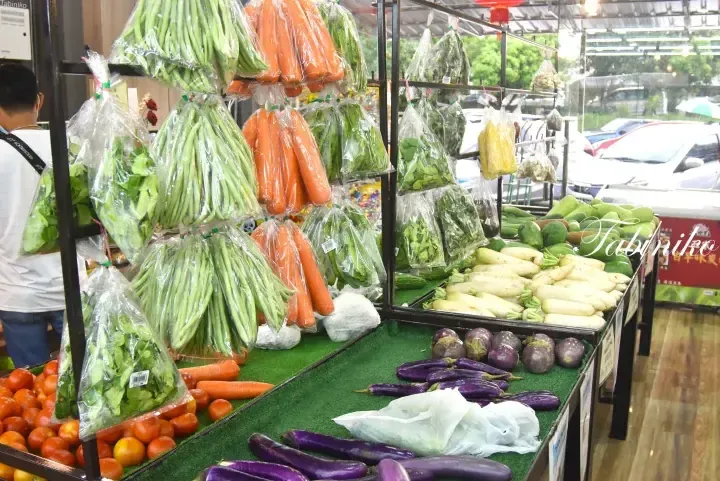
Tomatoes, eggplants, daikon radishes, green beans, carrots—you’ll find most of the veggies you want at this market. But unlike Japanese supermarkets, they don’t always restock everything fresh every morning, so if something’s out of stock, you’ll just have to come back next time. The supermarket near my place sometimes has almost no produce if I go at the wrong time…
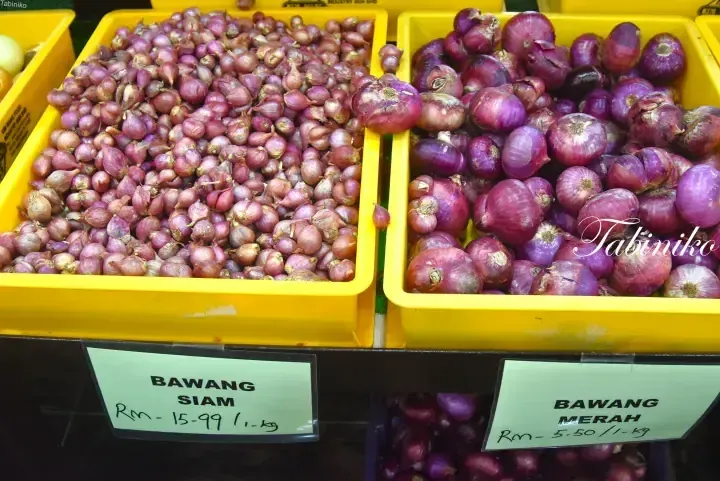
In Malaysia, red onions seem to be the standard, and you’ll find them far more commonly stocked than regular onions. I wonder why that is… Of course, the beige-skinned onions you’re used to seeing in Japan are also available. Chinese-Malaysians tend not to use onions much in their cooking, but when my mother-in-law cooked for me after I gave birth, she used small red onions. I thought, “If they’re so small, it’s a hassle to peel them—why not use larger ones?” But maybe there’s a difference in their flavor or nutritional profile?!
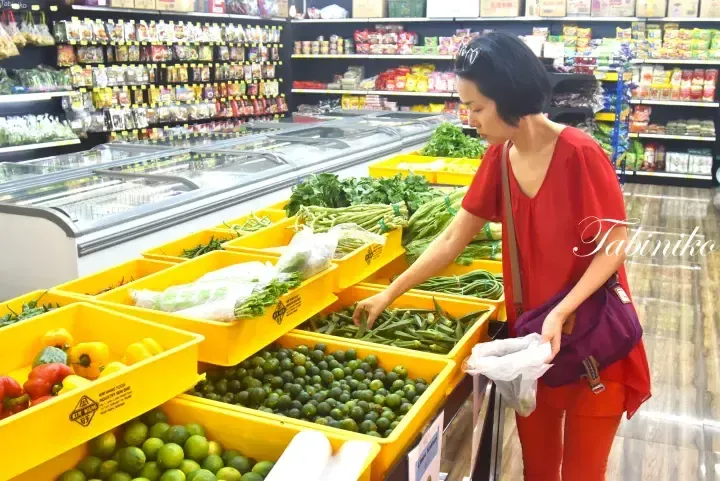
Buying by weight takes a bit more time to pick out your veggies, but it’s actually the more sensible choice because you can choose the freshest produce. Malaysia’s tropical climate means that goods aren’t handled with the same care as in Japan, so it’s common to find items that have already started to spoil.
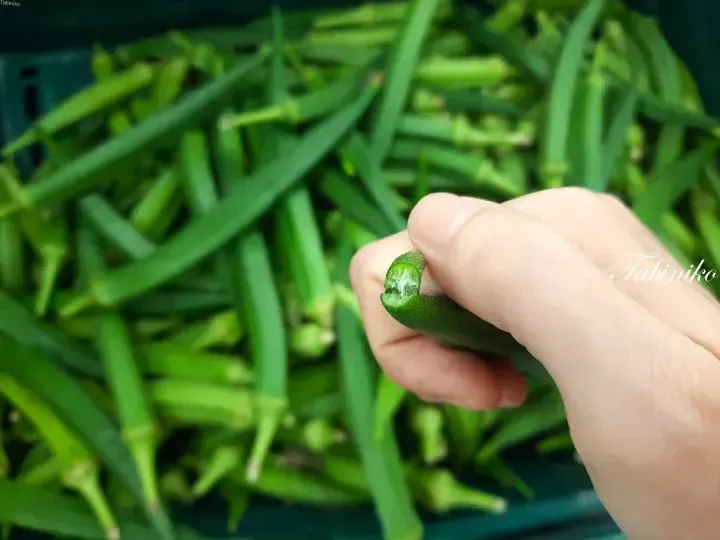
Okra in Malaysia is generally larger than the variety found in Japan. To check if a large okra is tender and edible, try snapping off the stem end. If it breaks off cleanly with a crisp “snap,” it’s fresh and soft enough to eat. If it bends or feels rubbery instead, it’s tough and fibrous, making it unpleasant to eat. Since overly large, inedible okra is still commonly sold in markets, always test the stem before buying.
This tip was shared with me by a Chinese auntie.
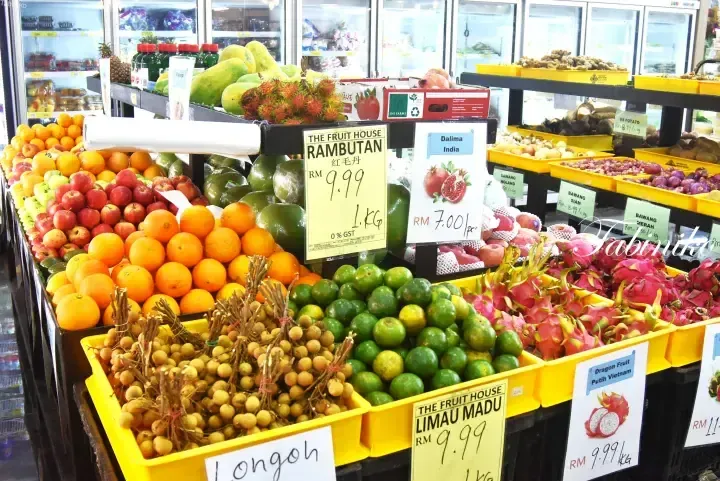
You’ll find a wide variety of fruits on sale here. Apples, pears, oranges, and other such fruits are imported. Recently, you can also find Chinese peaches and Shine Muscat grapes.
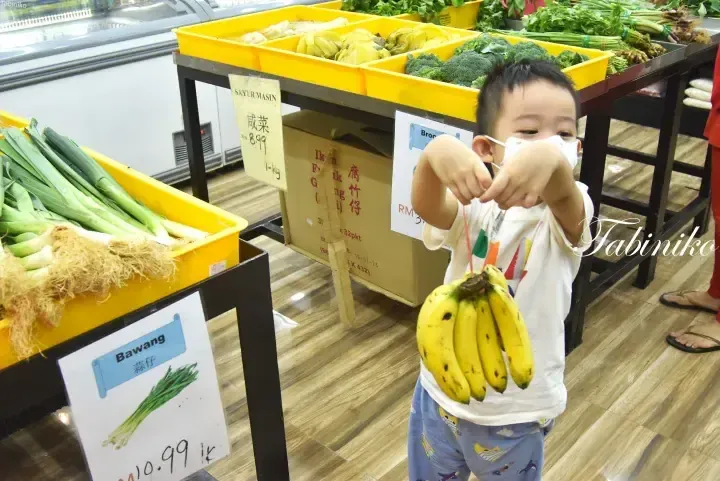
My son is a huge banana lover.
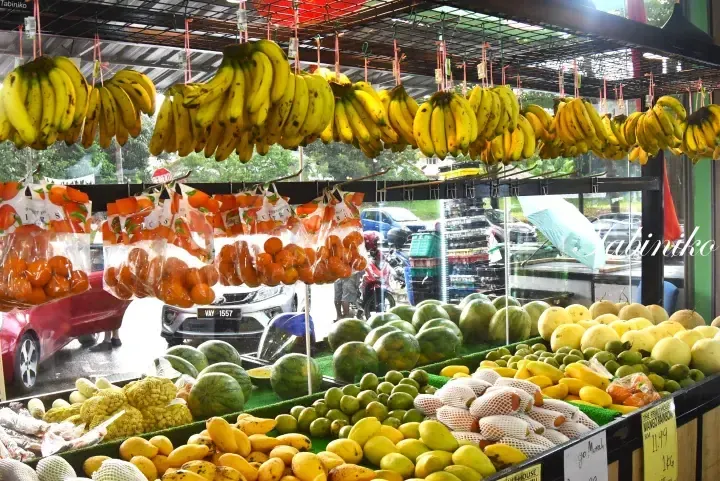
The sight of bananas hanging in abundance really gives off that tropical vibe, doesn’t it?

The smell of a Japanese greengrocer is different from that of a Malaysian one. What do you think it smells like? I had to think about it for a while, but in Malaysia, coriander and garlic are sold in such large quantities that the scent is a mix of those two! I love that aroma too 🥰😊
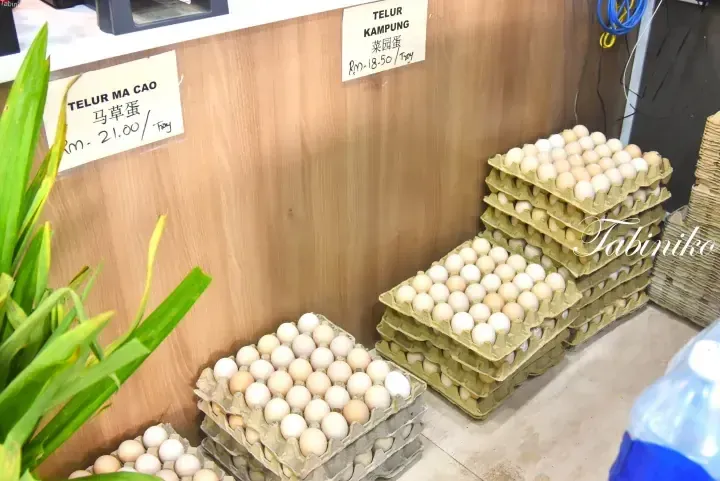
You can also find eggs sold in packs of 30. Since many Chinese families live in multi-generational households, and shop owners often come to buy them, the 30-egg packs tend to sell well. TELUR MA CAO is a premium type of egg made from chickens fed a special herbal diet, so I always want to buy them, but they’re often out of stock. As a result, I usually end up buying TELUR KAMPUNG, which are eggs from free-range country chickens.
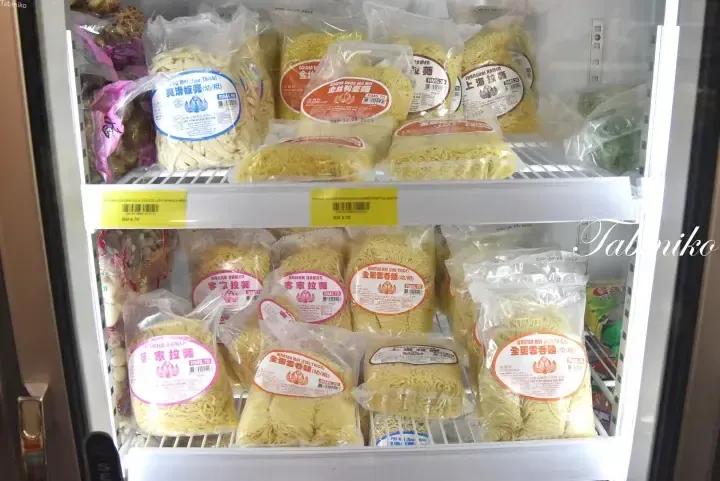
Fresh noodles of various types are also available for purchase.
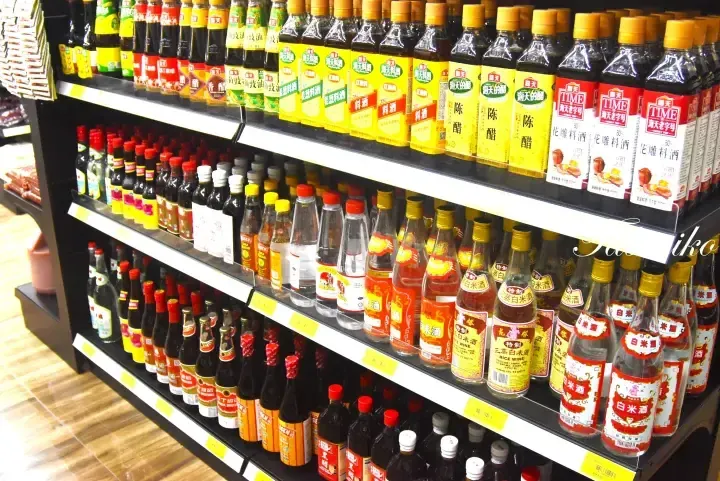
A wide variety of condiments are also provided.
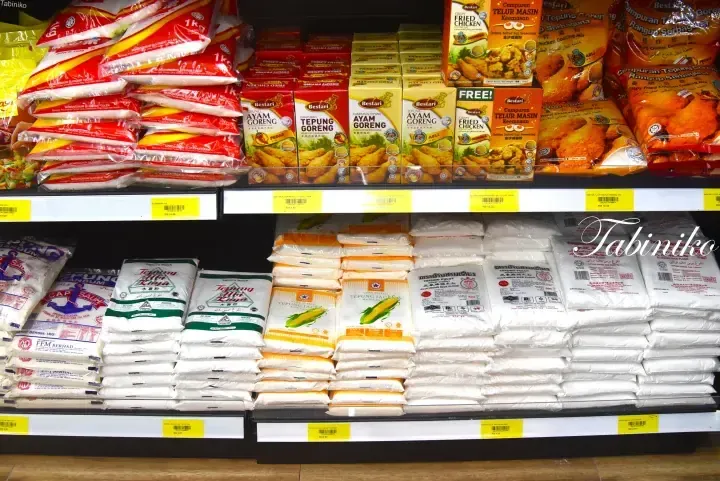
Wheat flour, potato starch, cornstarch, mochi flour, and tempura batter mix.
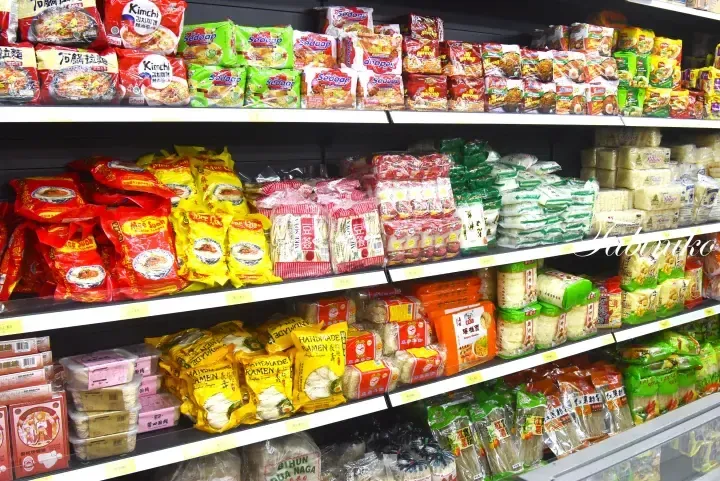
There’s a wide variety of noodles to choose from, including instant ramen, dried noodles, and bee hoon.
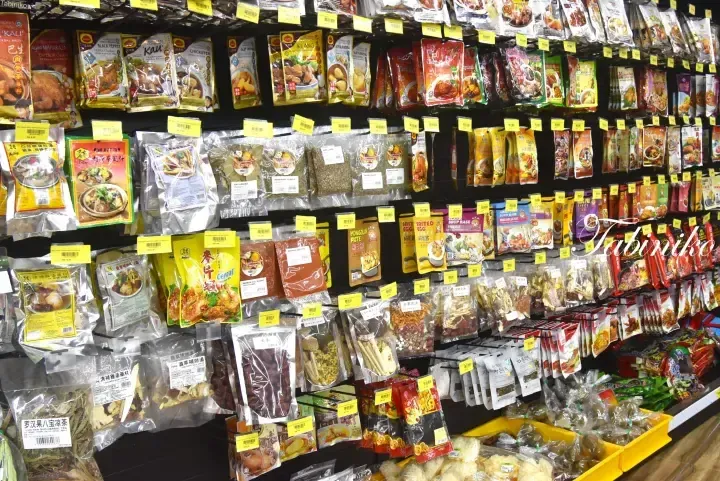
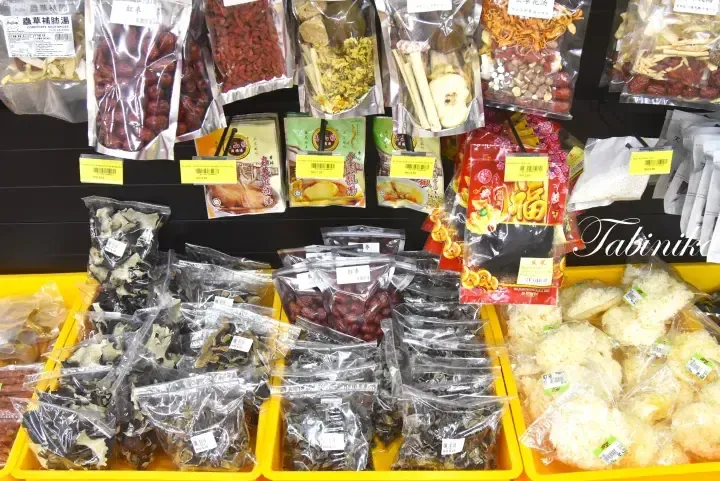
There are also a variety of Chinese-style dried goods and herbal ingredients commonly used in cooking, such as jujubes (Chinese dates), goji berries, wood ear mushrooms, and white wood ear mushrooms.
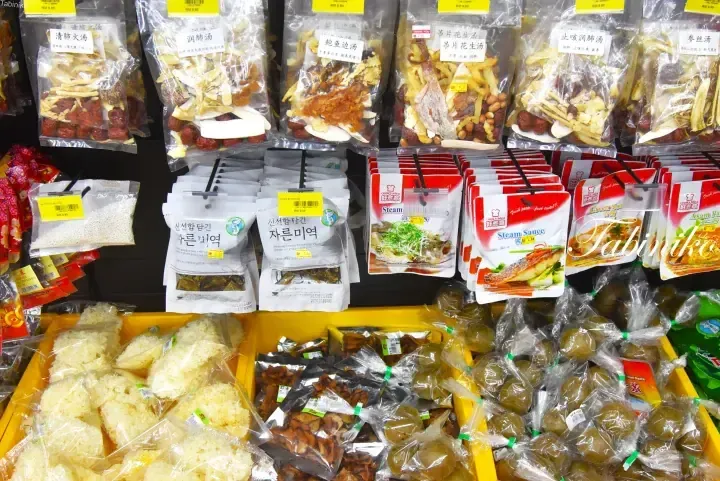
There are various types of Kampo (traditional Chinese medicine) available, and pre-blended Kampo sets are also sold.
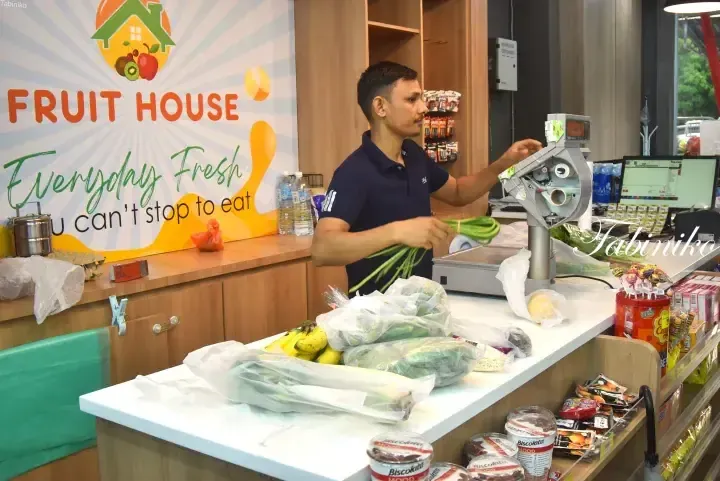
For items that need to be weighed, you have them checked and priced at the register. I buy a large quantity of vegetables every time, but it usually costs around RM50–80.
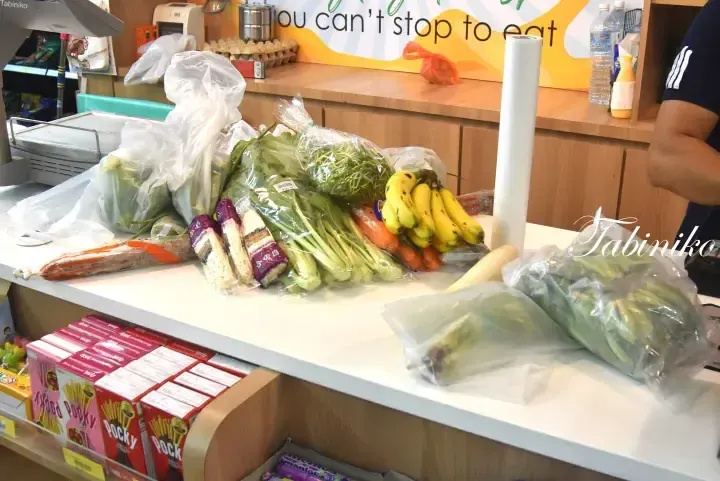
When I shop, I usually buy in bulk for about 10 days at a time. Since local areas require a car, it’s not easy to make multiple trips to the store.
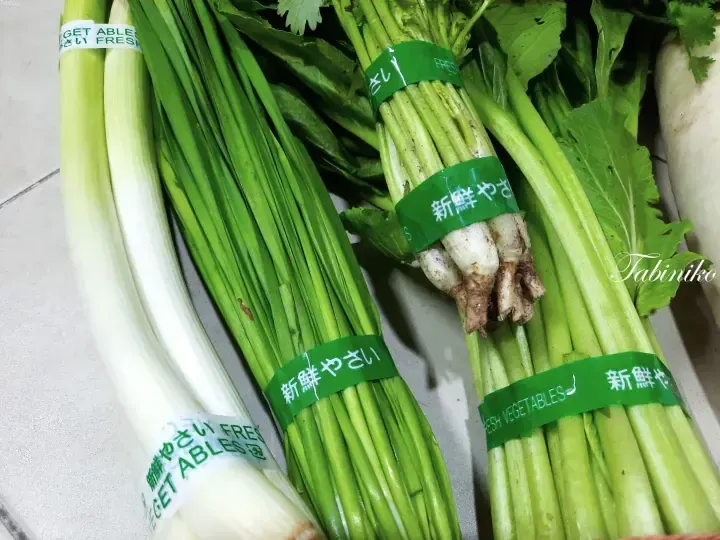
For some reason, the Japanese stickers on this make me sweat a bit. 💦 These aren’t Japanese vegetables, but I can’t help but feel a certain fondness for them (lol).
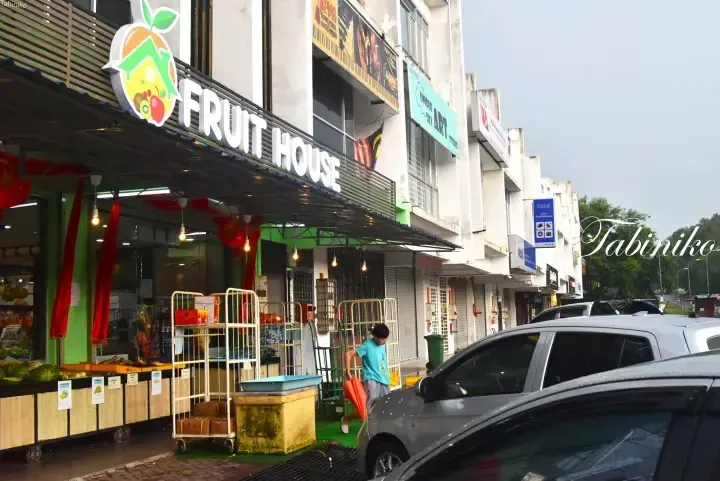
This grocery store is located in a cluster of small shops known as a “shop lot.”
Let me introduce you to the shop next! 😊
See you next time! 👋🏻👋🏻👋🏻
Address: 3, Jalan Bendahara 38/7, Bandar Mahkota Cheras, 43200 Kajang, Selangor