


[Eat Nico] Grandma's House Cafe 萬茂村莊外婆家美食 (Kampung Baru Mambau) in Seremban
The Story of a Chinese-Malaysian Grandma’s Cooking: Wanmao Village Grandma’s Kitchen in Seremban (a state south of Kuala Lumpur)
Hello!
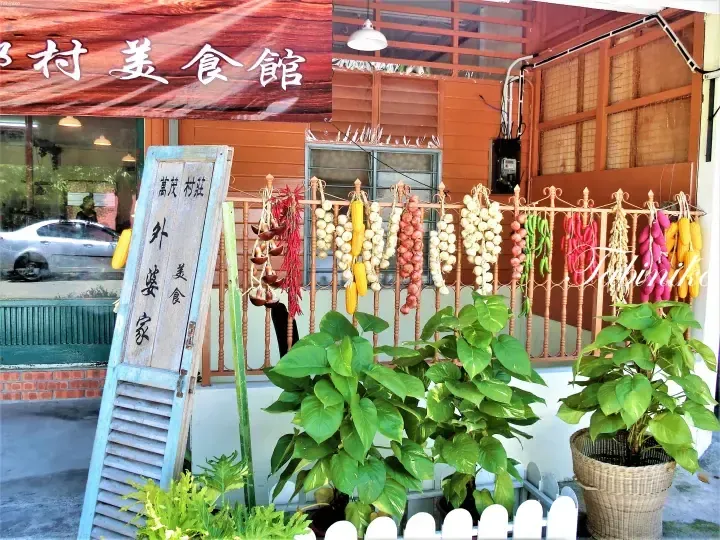
I’m Ayako, a Japanese wife living in Malaysia. May marks a brand-new era for Japan—the dawn of the Reiwa era—and it’s a perfect time to hit the reset button with fresh energy! Speaking of which, Malaysia has been seeing a surge in standout cafés and trendy tea drink shops inspired by Hong Kong and Taiwan trends. But today, I want to introduce you to a special spot that embodies the owner’s heartfelt desire to preserve the authentic flavors of a village grandmother: Wanmao Cunzhuang Waipojia Meishi (萬茂村莊外婆家美食).
Let’s break down the name:
Wanmao (萬茂): The name of a Chinese village called Mambau in Seremban.
Cunzhuang (村莊): Village.
Waipojia (外婆家): Grandma’s house.
Meishi (美食): Delicious food.
Although it opens at 12:00 PM, you’ll often see people lining up as early as 11:30 AM on weekends and holidays. The interior is always packed.
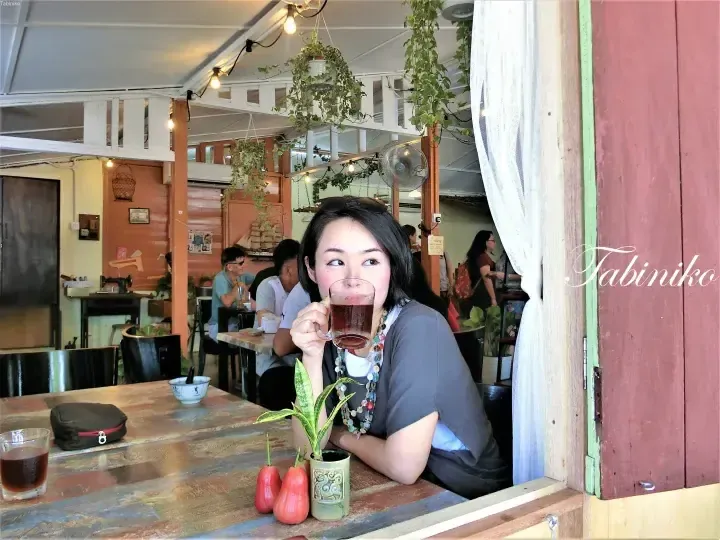
The owner, Mr. Li, hails from Mambau Village. Although he is married and now lives elsewhere, his strong sense of belonging to Mambau Village inspired him to open this restaurant. He was driven by a desire to continue serving the dishes his mother cooked during his childhood. The establishment aims not only to offer delicious home-style cuisine but also to provide a warm, cozy, and inviting atmosphere that feels just like being at home. The name “Grandma’s House” holds a special meaning: when Mr. Li’s children were young, they always looked forward to visiting their grandmother’s home because she was such a wonderful cook!
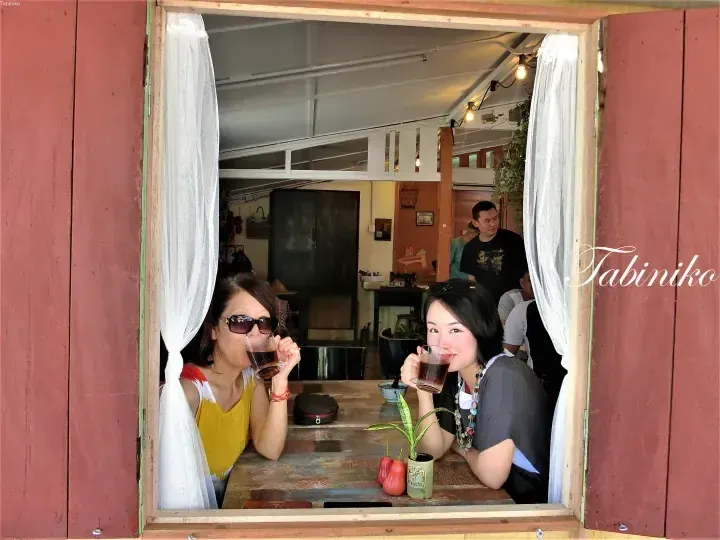
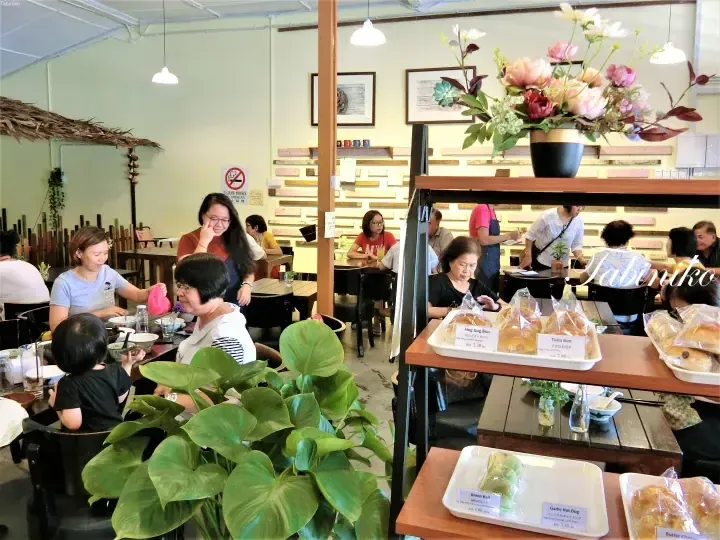
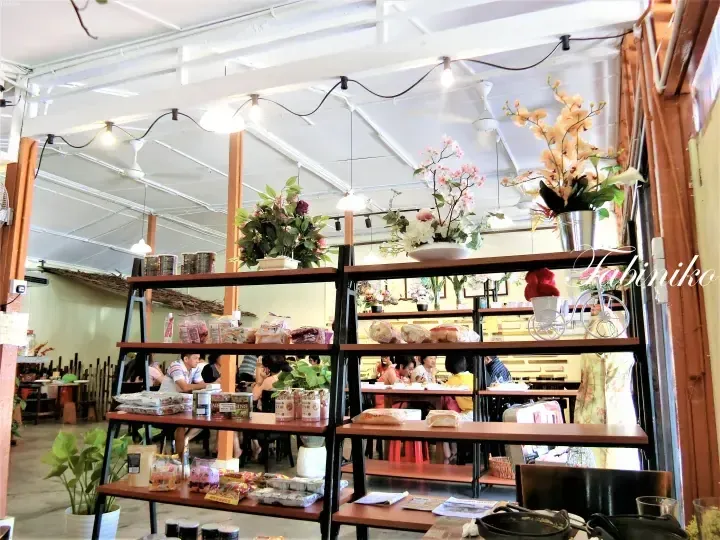
They also sell handmade bread and various light snacks. The prices aren’t high, so I bought a little bread myself. Plants are decorated throughout the shop, bringing it to life.
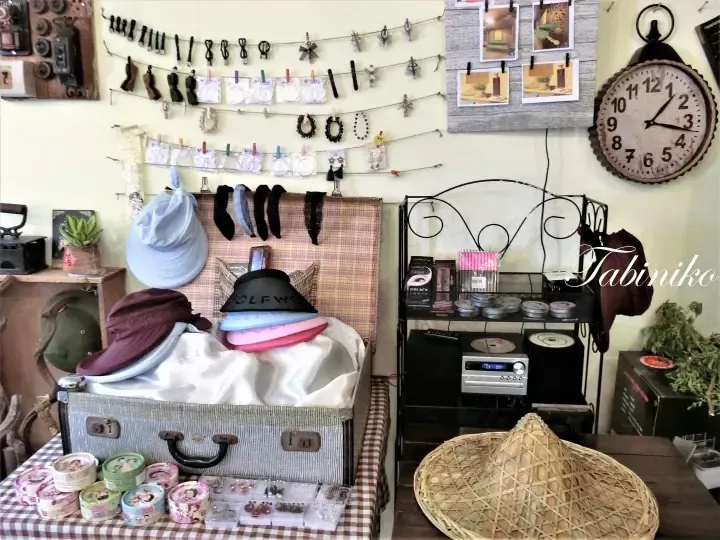
The shop plans to host handmade workshop events and other activities in the future, while also promoting the village and Seremban. Inside, they sell accessories and various household goods, and there’s also a bazaar-like area.
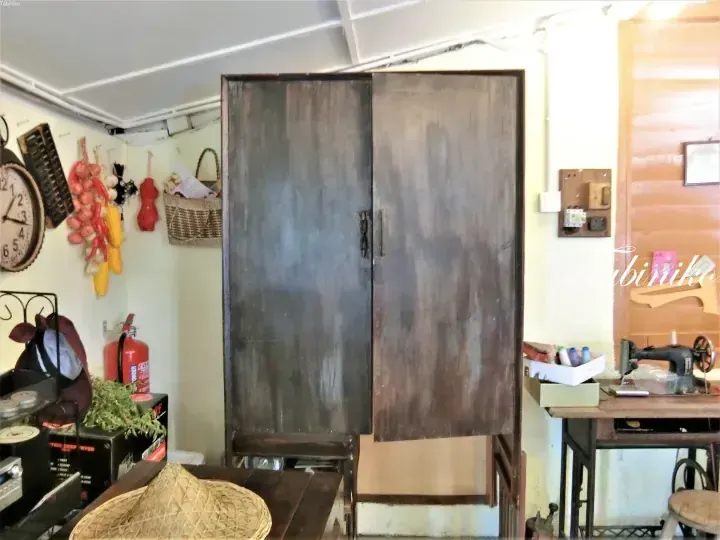
Now, what’s this? It’s not your typical cabinet! When you open the door, it turns out to be a toilet!!! What a clever and unexpected idea!
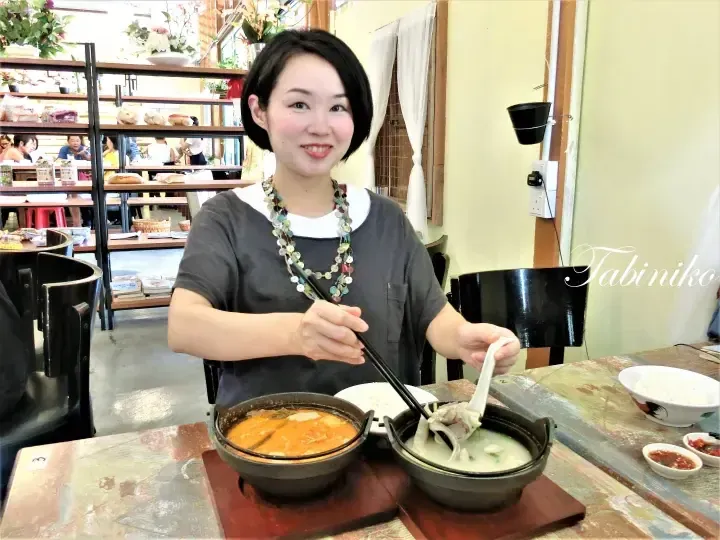
This white soup is a peppery pork belly soup. It contains not only pork belly but also some other pork meat and offal, simmered in a fragrant, pepper-infused broth that’s absolutely delicious! It’s reportedly a soup that Chinese households occasionally make at home.
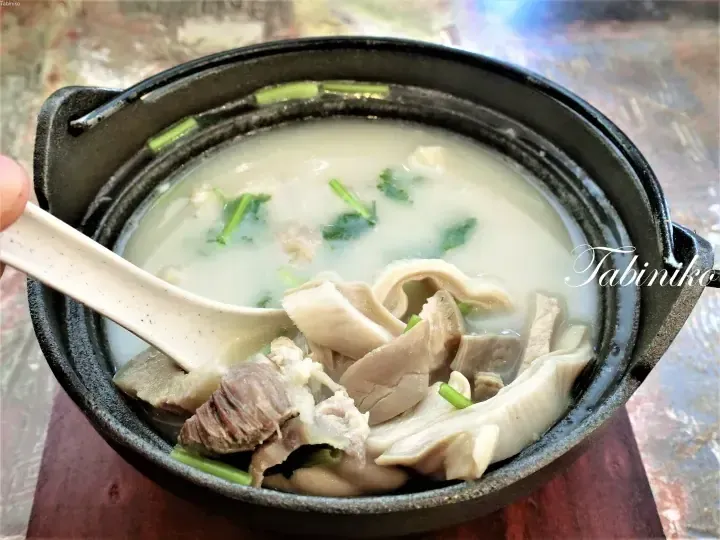
Packed with generous toppings. While “pork belly” might not immediately resonate with Japanese readers, the jellyfish here has a delightful, multi-layered texture, with two or three distinct layers.
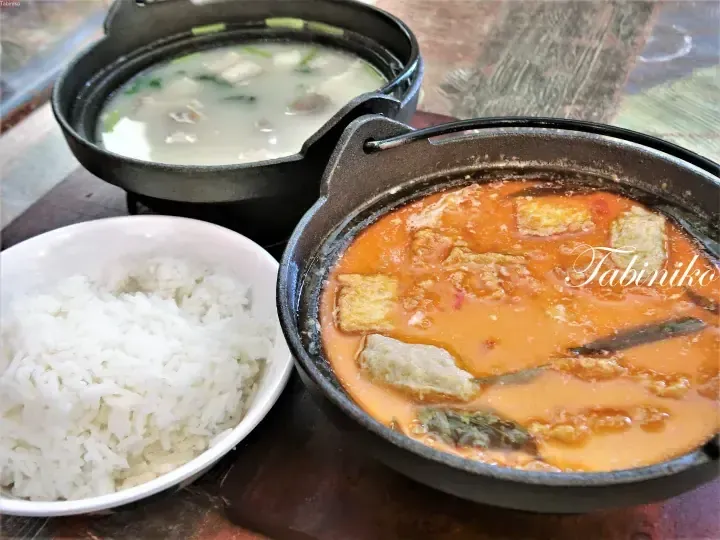
It looks spicy, but it’s not! This is a special curry made with seafood and milk. The flavor is smooth and absolutely delicious!! It’s just as good as the pepper-flavored pork belly soup when eaten with plain white rice. I definitely want to come back and eat this again.
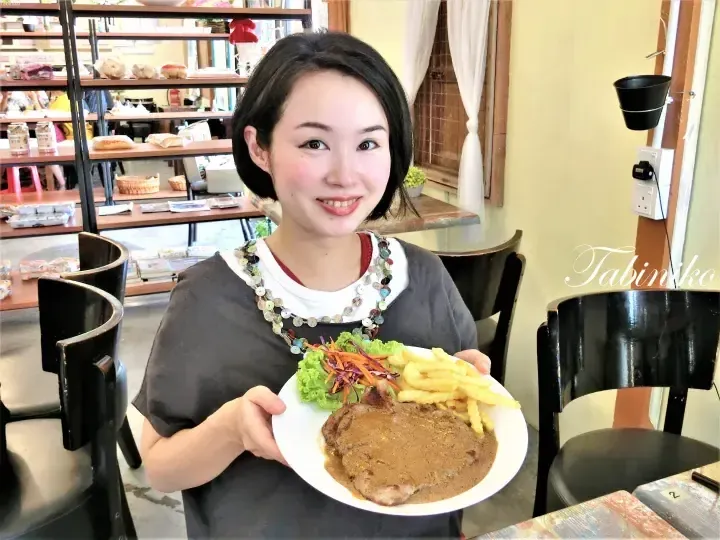
And for all you meat lovers, there’s also chicken steak!
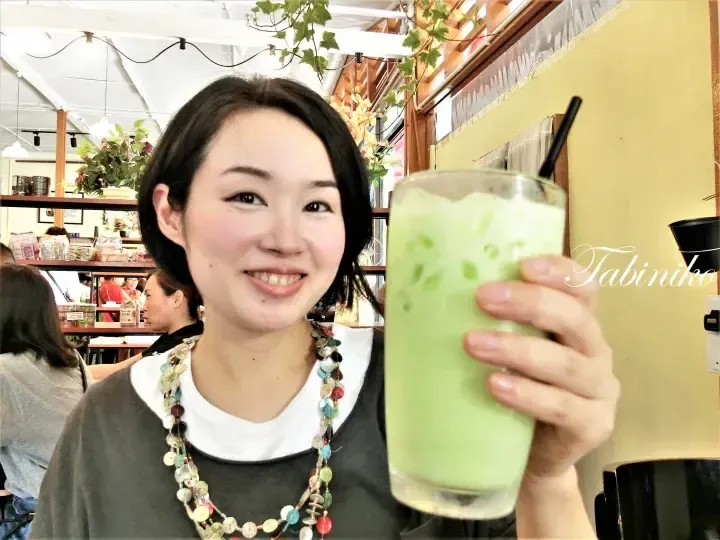
This is a plant commonly found in Malaysia—pandan. Pandan juice is a drink made with natural coloring extracted from pandan leaves.
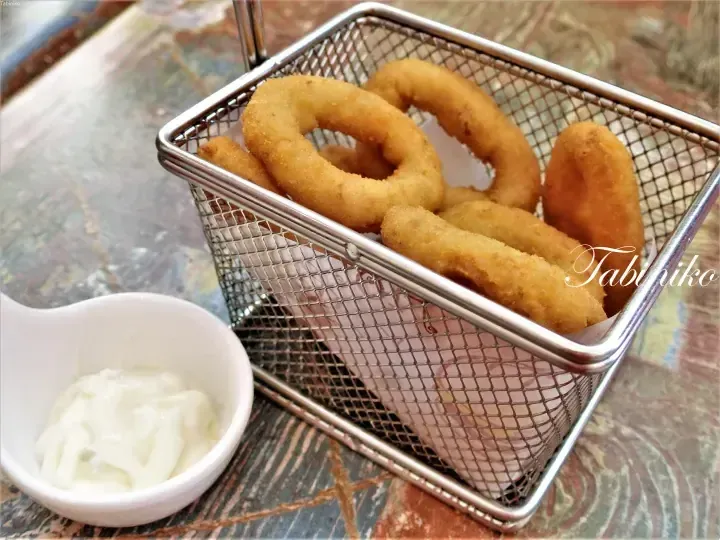
Fried onions are wonderfully light and have a perfect flavor. Give them a try!
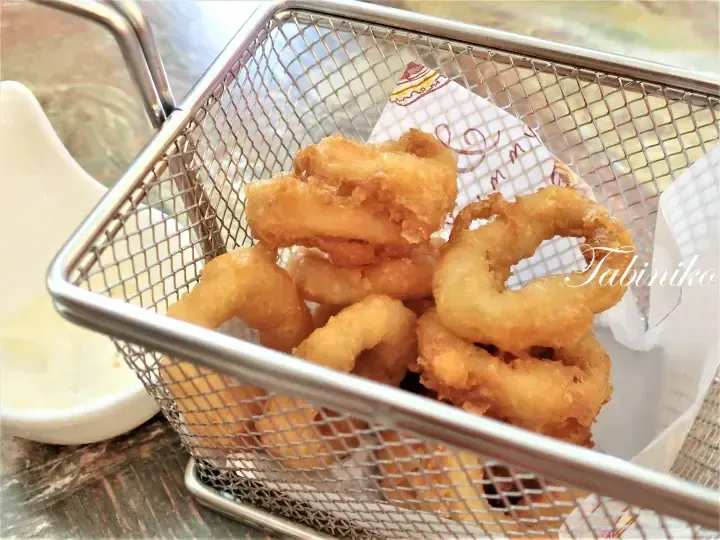
There’s also fried squid.
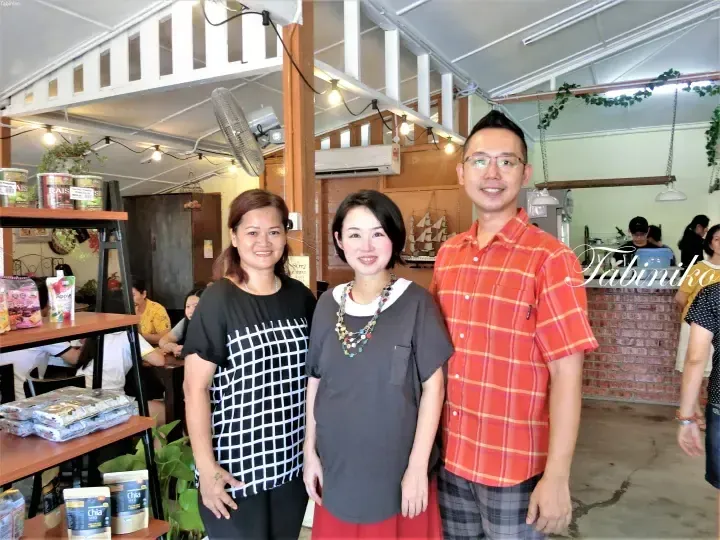
This is Mr. Lee, the owner. Since opening the shop in April 2019, it has quickly gained immense popularity, leading to periods of being incredibly busy—so much so that he says it’s been hard to keep up. Guided by the philosophy of “passing down the taste of his grandmother’s cooking from his childhood” and “providing a space for workshops,” he is determined to keep pushing forward.
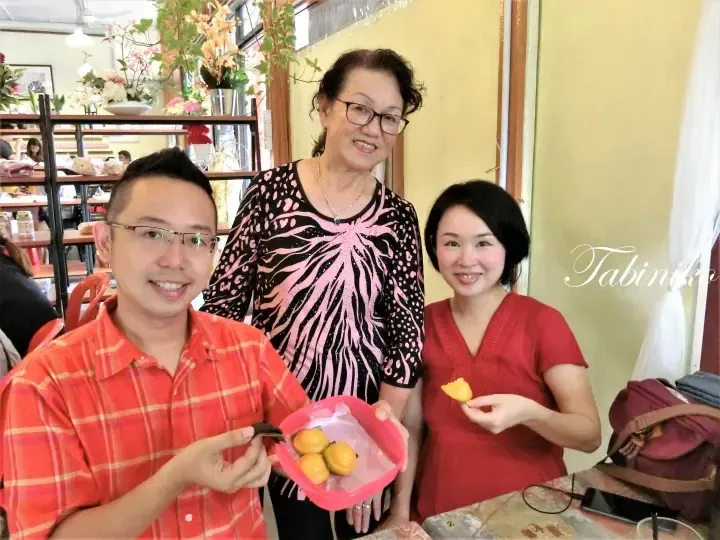
We’re also planning to sell the locals’ traditional, homemade desserts.
Website: https://www.facebook.com/mambaugrandma
Place name: Grandma’s House Cafe 萬茂村莊外婆家美食
Contact: +60 11-1141 4991 | mambaugrandmacafe@gmail.com
Location:
96a, Taman Mambau Baru, 70300 Seremban, Negeri Sembilan
Operating Hours: Tuesday to Sunday, 12:00 – 21:00 | Closed on Mondays
Parking: Park around the shop